
Streetlights and Stars
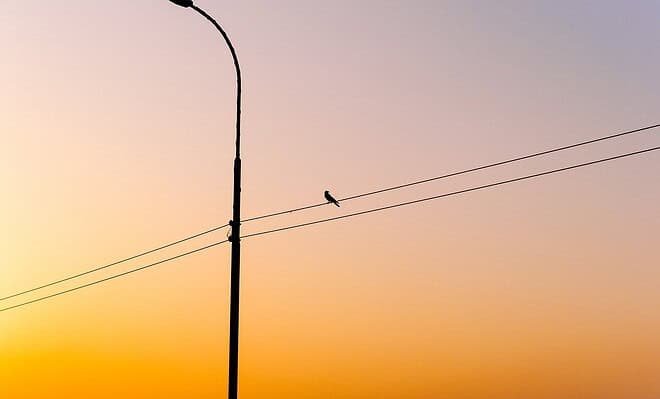
It felt cool to stare up at the stars with his head pressed against the road. At one in the morning, no one could see him in time to stop. He didn’t care if he got hit by oncoming traffic. The view was worth the risk. His mind stopped racing as he lay there. Staring up at the constellations, he thought about how small and meaningless it all was.
That was what Diego would lie about and tell people he did on Monday morning. When he did lie down on the ground, it was on the dead end road that he lived on. It was more akin to a driveway than a major thoroughfare. He could see only satellites and planes flying overhead through the din of the city’s streetlights. It was five past nine, and his curfew was at ten.
As banal as it was, it made him feel better. Though he’d pretend to be some starving artist or tortured soul, life sucked. Not in some melodramatic way. He had a good family, fun friends, and he did okay in school. It sucked in a way that it always does. The way it sucks for everyone.
Though his parents would tell him exactly that, that everyone feels like their life sucks when they’re young, it didn’t make Diego feel better. They said, “Just wait until you’re older; then life really gets hard. What I’d give to be young and in school again. You’ll see.” They’d turn and continue with whatever they were doing that they deemed more important, most of the time just watching the news. Diego found that contradictory. “Wouldn’t you think your life sucked too if you were young again?”
He wasn’t bullied any more than anyone else was. His teachers were all cool. School was mostly enjoyable, save for the busywork. Yet he would still lie on the pavement each Friday night.
He couldn’t see any constellations from his dead end cul-de-sac. But the flashing lights from the ISS and the occasional landing lights of an aircraft were soothing. The sounds of the city at night: the bark of a dog or the call of a siren. It made him think about his real question.
Why does it feel like life sucks?
There were too many answers to that. The girl he liked didn’t talk to him today, or his friend made a joke that he thought was directed towards him, or even just that classes and homework stressed him out. He’d lie there and bruise his head on the pavement and ponder.
One day, far in the future, Diego would meet a woman who wanted to talk to him every day. He’d make a friend who didn’t make mean jokes to him and would be the best man at their wedding. And stressing over school and classes had prepared him for stressing over work and, eventually, children of his own.
He’d ask, “How was your day at school?”
And they replied, “It sucked.”
It didn’t happen as much when they were younger. It was when they grew into young adults.
Diego’s instinct was to tell them he’d felt the same way when he was little. He repeated his own parents’ words back to them.
One day when he looked out the window at no later than 8:30 in the evening. His eldest son lay on the pavement at the foot of the driveway staring up at the sky.
Diego walked outside and stood over his son. He’d been crying, Diego could tell. He said nothing. Still in his work clothes, he got down on the pavement and lay down next to the young man.
Other people going through something hard doesn’t lessen the fact that you had to do it too.
Editor: Lucy Cafiero







Andrew’s work is always my favorite, I love how he explores different emotions and life struggles 🙂