Growing Up In The Digital Age
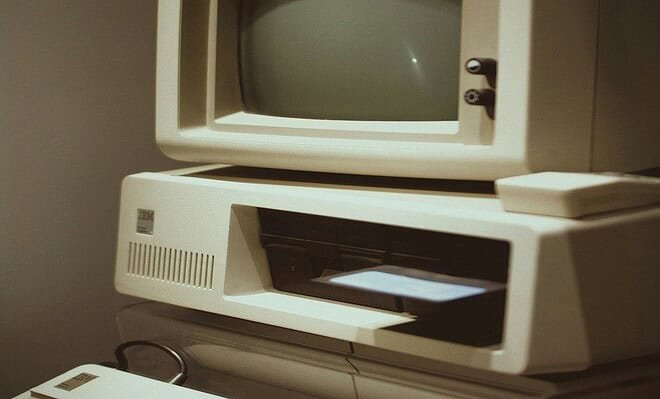
The dawn of the millennium in 2000 quietly expanded our family’s entertainment. Our parents bought a computer for us to share. I remember the excitement as we sat in our dining room, staring at the large white box, waiting for it to be set up. Before this, I’d only used them at school for typing and the paint software to draw. Having one at home meant I could play games like Slam Dunk Typing and Who Wants to Be a Millionaire. Back then, technology was perceived as progress – a tool for leisure, learning, and research. Venturing into this new world was thrilling.
One day, our family purchased another awesome new device. A box that connected our phone line to our desktop called dial-up internet. This connection came to our house about a year after we bought our machine. Building on this step, we soon subscribed to America Online. We crowded around the desk chair to listen and observe the new system. Three icons needed to load up as loud screeching sounds played through the speakers as it signed on. This new program included ways to surf the web and communicate via email and AOL Instant Messenger. Every day after school, I hurried to talk with my friends about our day. With this fresh development, my experience had moved beyond its early stages. Now, I had instant access to a huge library and a way to communicate with family, friends, and strangers.
This opening to a wealth of knowledge, fun, and digital interaction transformed our family. Becoming members of the cyber world changed how we’d conduct ourselves from then on. In-person hangouts and telephone calls were the major ways to chat. But the internet gave us a way to reach out to others, near or far, whenever we wanted. We’d all take turns with different interests. For example, my mom played Slingo, my brother researched the Cartoon Network, and I searched for my favorite wrestlers. Our circle got annoyed because our phone line remained tied up while we were surfing the World Wide Web. Still, hobbies offered an easy escape.
Our digital experience continued to expand in 2003 with the launch of MySpace, the first social networking platform. As a new teenager, I begged my parents to let me set up an account. My goal was to find an additional method for self-reflection, monitor my preferred musicians and stars, and build a distinctive webpage with a song that guests could enjoy.
As Myspace’s popularity grew in the early 2000s, internet communities expanded. This wave of online socialization led to another milestone: in 2006, Facebook started up for anyone over thirteen with a valid email address. At first, it was for college kids, so when they opened it up to everyone, I joined with the rest of my age group. The site focused more on people you knew than on celebrities. I preferred this because pages loaded faster, and it was easier to interact with others. To check someone’s latest posts and daily activities, one visits their page. This provided a rapid glimpse into everyday life, enhancing self-expression.
The landscape changed again by 2010, Instagram launched, and the communal experience shifted from computers to mobile phones. The excitement of connection grew and proved to be a 24/7 endeavor. When I was younger, being able to talk to others and stay updated on the news seemed like an advantage. I had a desktop at my fingertips and the independence to use it outside of familial confines. It felt mature to use all the things I had as a child without the parameters. However, as I aged, I gained wisdom and realized why limits on technology were necessary.
Access to information and constant connection no longer seemed innovative; instead, it began to intrude on the present moment. This led to fewer in-person connections, and many people struggled to form strong bonds. For my anxious mind, nonstop details became a burden. Now, as an adult, I look forward to time away from my devices. This stark contrast reminds me that balance is important in all things, even when you think they’re fun and exciting.
Editor: Lucy Cafiero